Demo play: the first ten minutes, the first hour, the first week
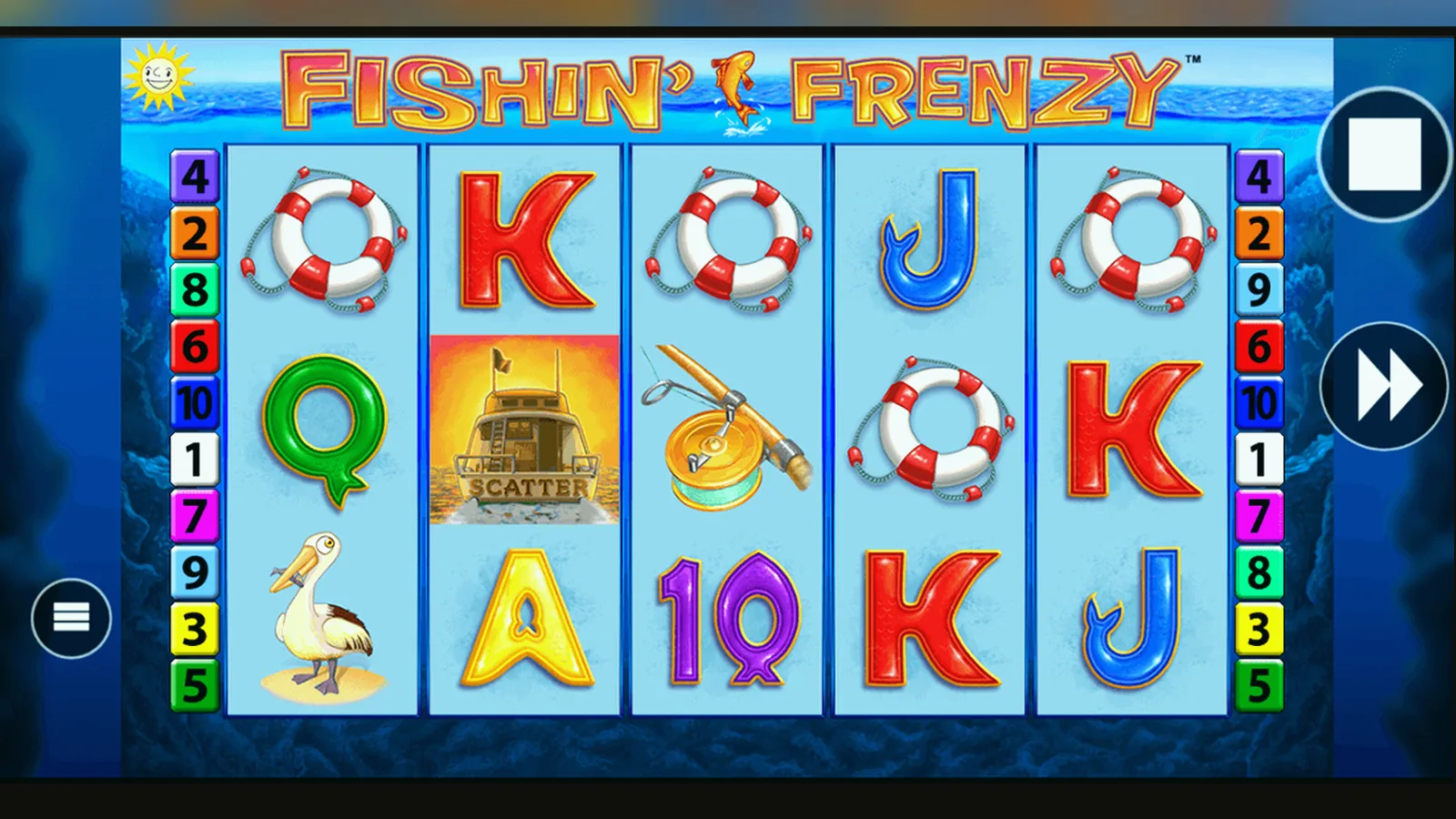
Most UKGC-licensed sites let you play Fishin' Frenzy in demo mode before you deposit. The demo runs the same Reel Time Gaming maths – 96.12 per cent RTP, 10 paylines, the same bonus round – but the balance resets when you refresh, and every win vanishes when you close the tab.
This page walks through what a demo session actually looks like: where it runs, whether you need to register, which numbers carry over to real money and which don't, what the demo hides, and the lowest-risk way to switch from free play to your first £0.10 spin.
The first ten minutes: instant play or age-gate registration
On some sites, you click «Play for Fun» and the game opens in your browser – no registration, no email, no pop-up. The fisherman casts, the reels spin at whatever stake you pick from the menu, and a fake balance of £1,000 or £5,000 sits in the corner.
Other operators – particularly those owned by larger groups – hide the demo behind a registration wall. You create an account, confirm your age (18+), and then unlock free play. The UKGC does not mandate age verification before demo access, but many sites choose to do it anyway as part of their safer-gambling framework. Either way, the game client is identical: the same HTML5 build, the same bet slider from £0.10 to £5.00, the same autoplay counter.
- Demo balance refills when you refresh the page; there is no way to run out permanently.
- The bet range mirrors the real-money caps: £5.00 maximum per spin, or £2.00 if the site enforces the 18–24 stake limit and your birthday falls into that window.
- The paytable, RTP, and bonus-round maths are production code – the same numbers you would see after depositing.
The first hour: what the RNG shows you and what it hides
The random-number generator does not distinguish between demo and real money. Every spin outcome – including the frequency of the scatter-triggered free-spins round – follows the same probability distribution. Over a long enough sample, the demo should return 96.12 per cent of total stakes, just as the live version does.
In practice, an hour of demo play (roughly 900 to 1,080 spins at moderate speed) rarely approaches theoretical return. You might trigger the bonus three times in ten minutes, or wait 400 spins without seeing a single fisherman catch. Variance is identical to real money: the game swings, and short sessions end in profit or loss with no pattern.
What the demo hides is everything outside the reels:
- Withdrawal flow – you cannot test how long a Faster Payments transfer takes, or what documents the KYC team requests.
- Bonus wagering – free spins and deposit matches come with rollover requirements (commonly 35× to 50× on UK sites); the demo balance has none.
- Affordability checks – if your real-money deposits exceed £150 net in a calendar month, the operator will ask for payslips or bank statements. The demo never triggers that gate.
- Session limits and reality checks – live accounts show a pop-up every hour or when you hit a loss threshold; demo play runs uninterrupted.
The demo is a maths preview, not a dress rehearsal for withdrawal queues or document uploads.
The first day: speed, streak length, and the illusion of pattern
Fishin' Frenzy spins at 15 to 18 rounds per minute when you hold the spacebar or enable turbo mode. Over a single day – say, three hours of casual play – you might log 2,700 spins. That sample size is large enough to see the bonus round a dozen times, but still too small to converge on 96.12 per cent RTP.
Players often report «hot» and «cold» stretches in demo mode: a run of ten dead spins, then three bonus triggers in twenty rounds, then another dry patch. These streaks feel deliberate, but they are artefacts of variance. The game does not remember your balance, your bet history, or the number of free spins you have won. Each outcome is independent, seeded by a certified RNG that the UKGC-licensed operator tests under GLI-19 or equivalent standards.
If you switch from £0.10 to £5.00 mid-session, the hit frequency does not change. The fisherman still catches a prize on roughly 23 per cent of spins (estimated from paytable probabilities), and the scatter still lands three-of-a-kind at the same rate. What changes is stake per spin, which scales every win and loss linearly.
The first week: demo on a phone and cross-device state
Fishin' Frenzy's HTML5 client scales to portrait and landscape on iOS and Android. The demo button appears in the lobby of most UKGC-licensed casino apps – those distributed through the App Store and Google Play – or you can load the site in Safari or Chrome and tap «Play for Fun» without installing anything.
Your demo balance does not sync across devices. If you play on a desktop, rack up £10,000 in pretend winnings, then open the game on your phone, you start from whatever default balance the site assigns (usually £1,000 or £5,000). The game client itself – RTP, paytable, bonus rules – is identical, but session state lives in browser memory and vanishes when you close the tab.
Over a week of intermittent demo play, you will likely see:
- Multiple bonus rounds, some paying 10× stake, others paying 150× or more if the fisherman catches high-value symbols.
- Long stretches where the balance drifts downward, because base-game wins rarely exceed 10× and the scatter appears every 100 to 150 spins on average.
- The temptation to switch to real money after a big demo win, assuming the next session will repeat that outcome. It will not – variance resets, and the first real-money deposit starts from a fresh RNG state.
The demo is useful for learning the paytable, testing bet sizes, and watching the bonus-round mechanic. It is not a predictor of short-term results.
What happens when you deposit: KYC, caps, and the first withdrawal
When you switch from demo to real money, the operator runs age and identity checks before you can fund the account. On most UKGC sites, that means uploading a photo of your passport or driving licence, plus proof of address (a bank statement or utility bill dated within the last three months). The checks typically complete in 24 to 48 hours, though some operators verify documents within a few hours if you deposit during UK business hours.
Once verified, you can deposit using a debit card (Visa or Mastercard), PayPal, Apple Pay, Open Banking via Trustly, or paysafecard. Credit cards have been banned for gambling in the UK since April 2020, and the payment method must be in your own name – no third-party cards, no business accounts.
The bet range remains £0.10 to £5.00 per spin (or £2.00 if you are 18 to 24). The RTP, paytable, and bonus-round maths are identical to the demo. What changes:
- Every win becomes withdrawable cash, minus any bonus wagering requirements.
- The site tracks your net deposits. If you deposit more than £150 in a calendar month, the operator will request payslips or bank statements as part of affordability checks – a UKGC requirement introduced in phases since 2019.
- Your first withdrawal takes the longest, because the finance team manually reviews KYC documents and checks the payment method matches your ID. Subsequent withdrawals to the same e-wallet or bank account are faster: a few hours to 24 hours for PayPal, same day to two working days for Faster Payments.
- If you claimed a welcome bonus (common offers include 50 free spins or a 100 per cent match up to £100), you must wager the bonus amount 35 to 50 times before you can withdraw. Fishin' Frenzy contributes 100 per cent toward that rollover, but the requirement still means hundreds of spins at your chosen stake.
The lowest-risk path from demo to real money
If you decide to switch, start at the minimum bet – £0.10 per spin – and set a budget you can lose without affecting rent, bills, or savings. The game's variance means you can burn through £20 in ten minutes, or stretch it across two hours if the bonus round appears early.
Before you deposit, check three things:
- The operator's UKGC licence number in the footer, and confirm it appears in the Commission's public register. Unlicensed sites are illegal to use in the UK, and you have no recourse if they refuse to pay.
- The welcome bonus terms – specifically the wagering multiple, game weighting, maximum bet while the bonus is active (often £5 or lower), and expiry window (commonly 7 to 30 days).
- The site's withdrawal methods and stated processing times. E-wallets (PayPal, Skrill) clear faster than debit-card refunds, which can take one to three working days.
Use the deposit-limit tool in your account settings. UKGC-licensed operators must offer daily, weekly, and monthly caps; set one that aligns with your budget, and the site will block further deposits when you hit it. If you want a longer break, register with GAMSTOP – one form blocks every licensed site in the UK for six months to five years.
The demo taught you the paytable and bonus mechanic. It did not teach you how to win, because there is no skill component and no way to influence the RNG. Real-money play carries the same 96.12 per cent RTP, the same swings, and the same risk of losing every penny you deposit. Treat the first session as paid entertainment, not an investment, and stop when your budget runs out.
FAQ
Does the demo pay real money if I hit a big win?
No. Demo winnings vanish when you close the tab or refresh the page. The balance is fake – a number that resets to £1,000 or £5,000 every time you reload the game. Only real-money spins, funded by a deposit, produce withdrawable cash.
Can I play the demo without registering or verifying my age?
It depends on the operator. Some UKGC-licensed sites let you click «Play for Fun» and start immediately, no account required. Others hide the demo behind a registration wall: you create an account, confirm you are 18 or over, and then unlock free play. Either way, you do not deposit or risk money in demo mode.
Is the RTP the same in demo and real money?
Yes. The demo runs the same Reel Time Gaming code – 96.12 per cent RTP, 10 paylines, identical bonus-round probabilities. The random-number generator does not distinguish between modes. Over a large sample (tens of thousands of spins), both should converge on the same return, though short sessions swing wildly in either direction.
Why does my demo balance reset when I switch devices?
Demo state lives in your browser's memory and does not sync across devices or sessions. If you play on a laptop, win £5,000 in pretend cash, then open the game on your phone, you start from the site's default balance (commonly £1,000 or £5,000). The game client is identical, but the balance is ephemeral.
What is the lowest-risk way to switch from demo to real money?
Start at £0.10 per spin, set a deposit limit in your account settings (UKGC sites must offer this tool), and treat your first deposit as the cost of entertainment, not an investment. Check the operator's licence number in the UKGC register, read the bonus terms if you claim an offer, and register with GAMSTOP if you want a longer break. The demo taught you the paytable, but it did not reduce the house edge or change the maths.